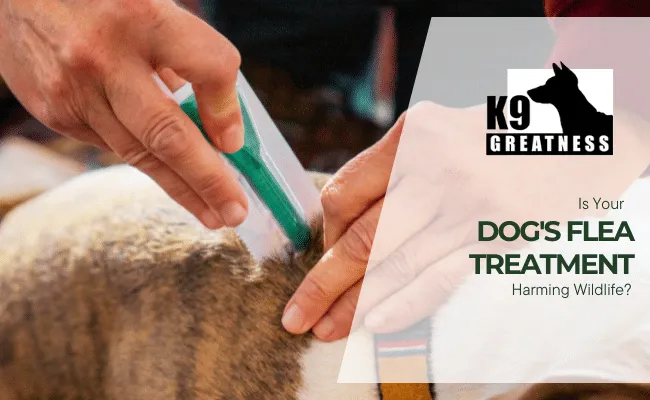
Is Your Dog's Flea Treatment Harming Wildlife?
As responsible pet owners, ensuring our dogs are free from parasites like fleas is a top priority. However, recent studies have raised concerns about the unintended environmental consequences of certain flea treatments. Chemicals commonly used in these products, such as imidacloprid and fipronil, have been detected in various ecosystems, posing risks to wildlife.
The Environmental Impact of Flea Treatments
Imidacloprid and fipronil are potent insecticides found in many over-the-counter flea treatments. While effective against fleas, these chemicals are also highly toxic to non-target species. Research indicates that a single flea treatment for a medium-sized dog contains enough imidacloprid to kill 60 million bees. Additionally, these substances have been detected in UK rivers, threatening aquatic life.
A study by Imperial College London found that dogs swimming in ponds can introduce these chemicals into the water, contaminating ecosystems and affecting species such as mayflies and dragonflies, which are crucial food sources for fish, birds, and bats.
Impact on Bird Populations
Beyond aquatic environments, terrestrial wildlife is also at risk. A study revealed that pet fur used in songbird nests contained high levels of pesticides, leading to increased nestling mortality. This contamination poses a significant threat to bird populations, particularly species like blue tits and great tits.
Rethinking Flea Control: A Balanced Approach
Given these findings, it's essential to balance effective flea control with environmental responsibility. Assess Actual Need: Instead of routine year-round treatments, monitor your dog for signs of fleas and treat only when necessary. Consider Alternative Treatments: Explore natural or less harmful flea control methods. Consult Your Veterinarian: Discuss with your vet the best flea control strategy considering both efficacy and environmental impact.
While protecting our pets from fleas is important, it's equally crucial to consider the broader environmental implications of our chosen treatments. By staying informed and opting for responsible flea control methods, we can safeguard both our beloved dogs and the wildlife that shares our world.