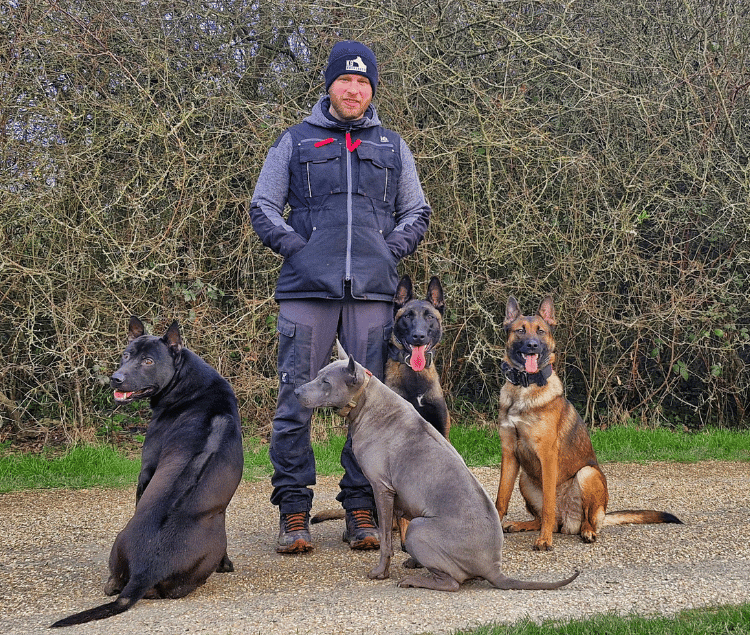
Building a Strong Foundation: The Key to a Well-Behaved Canine Companion
Bringing a new canine companion into your home is an exciting time, filled with anticipation and joy. However, it's essential to approach this new chapter with careful consideration. Just as nurturing a child requires structure and guidance, so too does raising a well-adjusted dog.
The Importance of Early Training
Imagine granting a toddler unrestricted freedom. The potential for chaos, accidents, and danger is evident. Similarly, without clear rules and boundaries, a dog can develop behavioural issues that are challenging to rectify later. By establishing a consistent routine and clear expectations from the outset, you lay the groundwork for a harmonious relationship.
Structure and Security
Dogs thrive on routine. A predictable environment provides them with a sense of security, reducing anxiety and stress. A dog benefits from consistent meal times, walk schedules, and play periods. This structure helps your canine companion understand what to expect, fostering a calm and relaxed demeanour.
Practical Tips for Building a Strong Foundation
Consistency is Key — Ensure all household members adhere to the same rules and commands. Positive Reinforcement — Reward desired behaviours with praise, treats, or toys. Socialisation — Expose your puppy to a variety of people, places, and experiences. Basic Obedience — Teach essential commands such as sit, stay, come, and leave it. House Training — Establish a regular toileting routine. Crate Training — A crate can provide a safe and secure space. Exercise and Mental Stimulation — Regular physical and mental exercise prevents boredom and destructive behaviours. Patience and Persistence — Training takes time and consistency.
Remember, every dog is an individual with unique needs and personality traits. With patience, dedication, and love, you can build a lasting bond with your canine companion and enjoy a fulfilling life together.